
10% off winter tyres

Winter Tyre

Winter Tyres: Stay Safe and in Control During Cold Weather

Winter tyres help keep you safe and in control when it’s cold, especially if the temperature drops below 7°C. They use a special soft rubber that stays flexible in the cold, so you get better grip, braking, and handling on snow, ice, slush, wet, and cold dry roads.
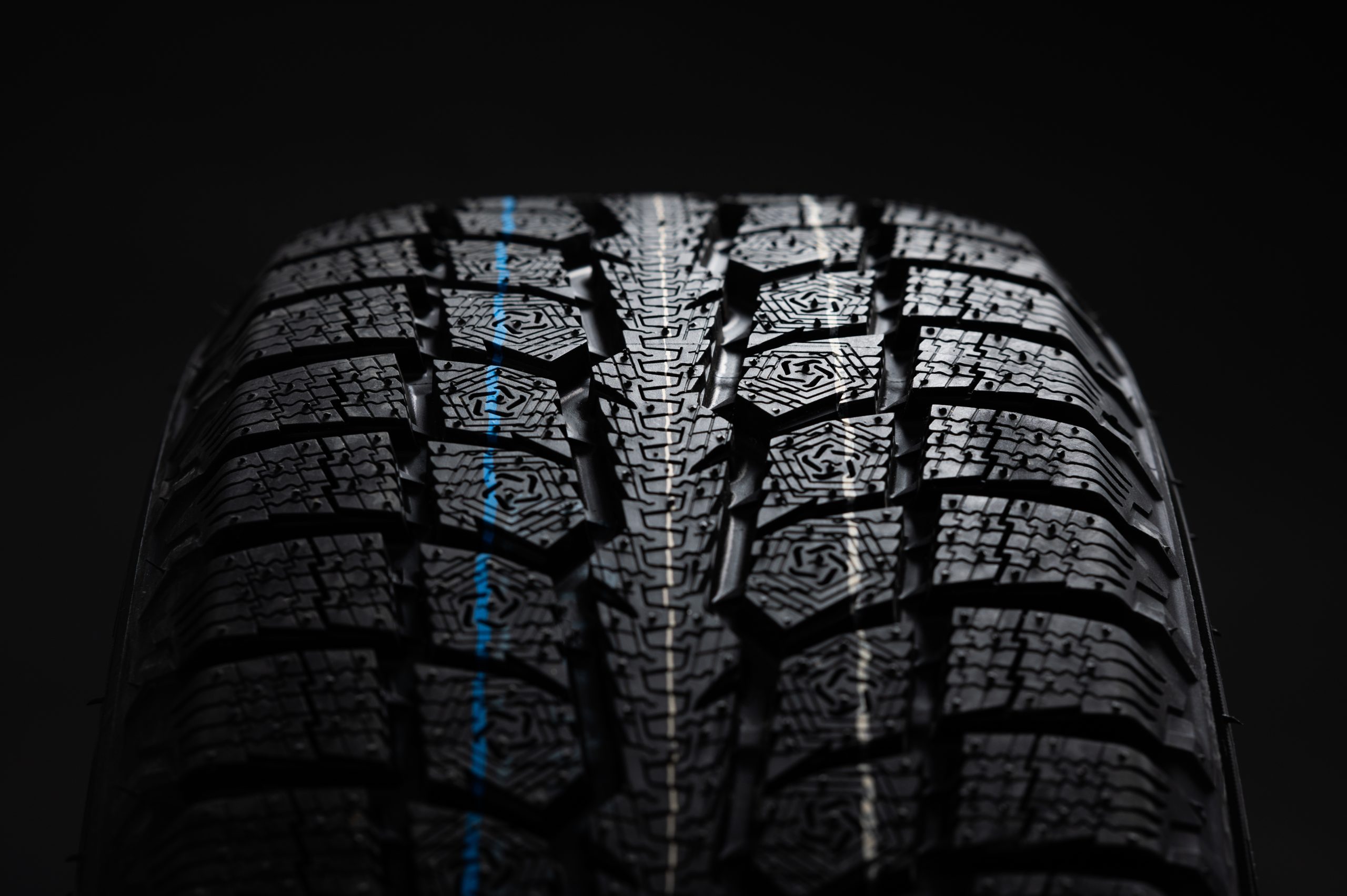
The tread on winter tyres has deep grooves and lots of small cuts that grip snow and ice, helping your car stay stable at all times. This design shortens braking distances, which makes steering easier, so you can feel more confident in tough winter conditions. Wide channels also move water and slush away, lowering the risk of aquaplaning.
Winter tyres are made for cold weather and work much better than summer or all-season tyres when the temperature drops. They fit many types of vehicles, like cars, SUVs, vans, and even high-performance models. If you drive where frost, snow, or ice are common, winter tyres are especially helpful.
Winter tyres work best in cold weather, but they can wear out faster in warm temperatures because of their softer rubber. For the best safety and to make your tyres last longer, switch back to summer tyres when it gets warmer than 7°C.
Take a look at our selection of top winter tyres from trusted brands to find the right fit for your car, driving style, and budget. Drive safer and with more control all winter long.

Winter Tyres: Stay Safe and in Control During Cold Weather

Winter tyres help keep you safe and in control when it’s cold, especially if the temperature drops below 7°C. They use a special soft rubber that stays flexible in the cold, so you get better grip, braking, and handling on snow, ice, slush, wet, and cold dry roads.
The tread on winter tyres has deep grooves and lots of small cuts that grip snow and ice, helping your car stay stable at all times. This design shortens braking distances, which makes steering easier, so you can feel more confident in tough winter conditions. Wide channels also move water and slush away, lowering the risk of aquaplaning.
Winter tyres are made for cold weather and work much better than summer or all-season tyres when the temperature drops. They fit many types of vehicles, like cars, SUVs, vans, and even high-performance models. If you drive where frost, snow, or ice are common, winter tyres are especially helpful.
Winter tyres work best in cold weather, but they can wear out faster in warm temperatures because of their softer rubber. For the best safety and to make your tyres last longer, switch back to summer tyres when it gets warmer than 7°C.
Take a look at our selection of top winter tyres from trusted brands to find the right fit for your car, driving style, and budget. Drive safer and with more control all winter long.

Kumho tyre

High-performance and durable tires for a wide range of vehicles combining advanced technology with design.

Michelin tyre

Need reliable tyres for your everyday journeys? Explore MICHELIN’s range of daily-use tyres.

Bridgestone tyre

Bridgestone cater to consumer needs including comfort, performance and durability.

Goodyear tyre

Goodyear have been coming up with new ideas since the day they were founded in 1898.

News article 1

Content for news article 1, This is a preview for the news article only, this is just a previews for news article 1 and nothing else, at least nothing that I know about. Content for news article 1, This is a preview for the news article only, this is just a previews for news article 1 and nothing else, at least nothing that I know about.


Content for news article 1, This is a preview for the news article only, this is just a previews for news article 1 and nothing else, at least nothing that I know about. Content for news article 1, This is a preview for the news article only, this is just a previews for news article 1 and nothing else, at least nothing that I know about.

Content for news article 1, This is a preview for the news article only, this is just a previews for news article 1 and nothing else, at least nothing that I know about.

Content for news article 1, This is a preview for the news article only, this is just a previews for news article 1 and nothing else, at least nothing that I know about.Content for news article 1, This is a preview for the news article only, this is just a previews for news article 1 and nothing else, at least nothing that I know about.

Content for news article 1, This is a preview for the news article only, this is just a previews for news article 1 and nothing else, at least nothing that I know about. Content for news article 1, This is a preview for the news article only, this is just a previews for news article 1 and nothing else, at least nothing that I know about.

Content for news article 1, This is a preview for the news article only, this is just a previews for news article 1 and nothing else, at least nothing that I know about.

News article 2

Content for news article 2, This is a preview for the news article only, this is just a previews for news article 1 and nothing else.

News article 3

Content for news article 3, This is a preview for the news article only, this is just a previews for news article 1 and nothing else.

New Article 4

Content for News Article 4, This is a preview for the news article only, this is just a previews for news article 1 and nothing else. This is a second test.

FAQs

Winter tyres are made for driving in cold weather, usually when it’s below 7°C. They use softer rubber and special tread patterns to give you better grip, braking, and handling on snow, ice, slush, wet, and cold dry roads.

You should fit winter tyres when temperatures stay below 7°C, usually from late autumn to early spring. They work best in cold weather, when summer tyres start to lose grip and flexibility.

Yes. Winter tyres are made for snowy and icy roads. Their deeper tread grooves and extra cuts help them grip snow and ice, giving you much better traction and shorter braking distances than summer or all-season tyres.

Yes. Winter tyres work well even on cold, dry, or wet roads, not just in snow. Their softer rubber stays flexible in low temperatures, so you get better grip and braking than with summer tyres in the cold.
Some countries require winter tyres by law during winter or when it’s snowy. In the UK, they aren’t mandatory, but they’re strongly recommended for safety. Always check the rules if you’re driving in another country.

Winter tyres might use a bit more fuel because they have more rolling resistance. Still, the extra safety, control, and better braking in cold weather are worth it.

Yes. You should always fit winter tyres on all four wheels. Mixing different types can make your car handle worse, especially on slippery winter roads.

Winter tyres usually last between 20,000 and 30,000 miles, depending on how you drive, the roads, and how well you look after them. Keeping them properly inflated, aligned, and using them only in winter helps them last longer.

Yes. Winter tyres work better than summer tyres on cold, wet roads. Their special tread patterns help prevent aquaplaning and improve braking when it’s rainy in winter.